Chillers & AHUs
Chiller 2 current0 A
Alert
Chiller 2 at 0 A while supply warms to 11.8 °C
Failures confirmed, not guessed

Loading...
Universities & higher education · IoTRICs
Labs, libraries, plant, classrooms, residences and people on one platform. One gateway per building: start where the pain is, add the rest on the same network.

Illustrative campus. Readings and alarms are examples.
Dozens of buildings, one Estates team. Problems surface when someone complains.
Lecture halls and labs booked on the timetable, used far less, and cooled all day.
A freezer fails on Friday night and is found on Monday morning.
A leak in a riser, basement or archive spreads unseen until it reaches books or power.
Energy and water reported from utility bills, not measured per building.
Queues at terminals, paper rosters, and no muster list in an evacuation.
Toggle to see what changes when every asset reports to one platform, or tap any card to flip it.Toggle all six, or tap a card to flip it.
Six areas, one campus
From the lab freezer to the lecture hall and the shuttle stop. Pick an area to see it live: what we measure, what the data shows and what changes.
1System 01 of 06
The problemSamples, reagents and research sit in fridges, freezers and cold rooms that nobody checks overnight or at weekends.
Our solutionA sensor in every fridge, freezer and controlled room, with compressor current alongside. Rate-of-rise alerts arrive before the threshold, escalate by SMS and call to the lab manager on call, and keep a full history for accreditation.
2System 02 of 06
The problemIn a basement, riser or archive, water is invisible until it reaches books, labs or power. Humidity damages collections long before anyone notices.
Our solutionSpot sensors guard condensate trays and drains; rope sensing follows chilled-water runs and archive floors. Temperature and humidity are logged per room, with alerts while drift is still a trend.
3System 03 of 06
The problemA chiller or AHU stops and the first sign is a hot lecture hall. One sensor raises a question; nobody is sure if it is real.
Our solutionClamp-on CTs on each building’s main board and on compressors, read with supply temperature. Compressor current at zero with temperature rising is a confirmed cooling failure, not a sensor fault.
4System 04 of 06
The problemGenerators are serviced by the calendar and tested by hand. Fuel is dipped, deliveries are trusted, and a transfer at night goes unrecorded.
Our solutionRun hours, starts and load per generator, so service follows real running hours. Non-invasive fuel level sensing catches abnormal drops, verifies deliveries and logs every mains-to-generator transfer.
5System 05 of 06
The problemRooms are booked on the timetable and cooled all day, used or not. Packed halls run out of fresh air and nobody measures it.
Our solutionPeople counters and CO₂ sensors measure real use and air quality per room. Lighting and AC set back automatically when a room is empty; wall switches stay live, and the rules stay with the university.
6System 06 of 06
The problemStaff attendance by card swipe or paper. Shuttles with no live location, and charging that nobody manages.
Our solutionBLE tags verify presence by building, not by desk, with a live muster list in an evacuation and exports to HR. EVOLTICS tracks shuttles and manages campus EV charging for staff, students and visitors.
02:00. Biology lab, freezer F-12, holding −80 °C. The building is empty. 02:40. The compressor trips. Its current drops to 0 A, and the cabinet starts to warm. 02:57. Only 2 °C warmer, still far from any threshold. But current at zero and temperature rising mean one thing: cooling has failed. 03:36. The on-call engineer resets the compressor. The freezer pulls back down. 04:30. Back at −80 °C, samples never at risk. A −60 °C threshold alarm alone would have fired at 05:10.
Illustrative −80 °C lab freezer whose compressor trips overnight, compared with the same night with only a temperature threshold alarm.
Correlation
IoTRICs reads related sensors together. Pick a case to see which signals combine and what the alarm says.
Cabinet warming, compressor silent.
Lab manager called at 02:57 with the backup freezer ready, hours before a threshold alarm.
Sash open, airflow low, someone at the bench.
Local alarm at the hood, lab safety officer alerted, exhaust fan checked.
Building empty, water still flowing.
Flagged that night, not on next month’s bill. Night security checks the washrooms first.
Nobody in, lights and AC running.
Lighting off and AC set back automatically. Wall switches stay live for anyone who returns.
Humidity rising, AC drawing less.
Maintenance booked while the drift is still a trend, before collections are exposed.
Mains off, generator silent.
Escalated by SMS and call to the duty engineer, with the server room temperature attached.
Illustrative readings. Rules and thresholds are set with your team for each site.
By role
Pick your role to see the use cases that matter to you, what IoTRICs reads and the alert you would get.
Chiller 2 at 0 A while supply warms to 11.8 °C
Failures confirmed, not guessed
Water flowing at 03:00 in an empty building
Found the night it starts
Generator 2 failed to pick up after mains loss
Ready before it is needed
Clean now: 118 visits, odour rising
Cleaning on usage, not rounds
F-12 warming 8 °C/h, compressor 0 A
Samples protected overnight
Sash open, face velocity down to 0.28 m/s
Safety alert at the bench
Cylinder B pressure below 15 bar
Experiments never stop mid-run
Humidity drifting to 58%, AC current down
Collections kept in range
Out-of-hours baseline up 14% in Block C
tCO₂e per building, auditable
1.2 m³/h at 03:00 with zero occupancy
Losses found that night
Hall B empty 30 min: lights and AC set back
Savings that happen automatically
Hall A above 1,000 ppm: fresh air boosted
The S in ESG, measured
Muster list: 4 people still in the Science block
Presence, not card swipes
Exam store opened at 22:40, after hours
A complete access record
Shuttle 3 idle 25 min off its route
Live location for everyone
Charger 4 offline since 09:12
Charging managed by policy
Smoke and gas devices give supplementary early indication only. Certified fire detection and suppression stay with the university’s approved contractor.
Our sensors
Hardware-agnostic: any brand, one dashboard. Existing BMS points join over BACnet/IP or MQTT, and ERP, HR and timetabling over REST API.
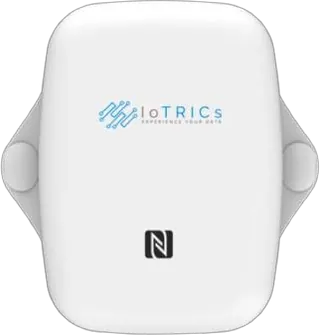
Freezers, labs and archives
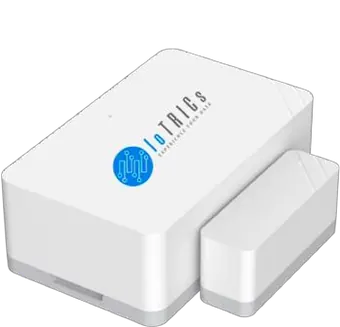
Labs, exam-paper and plant rooms
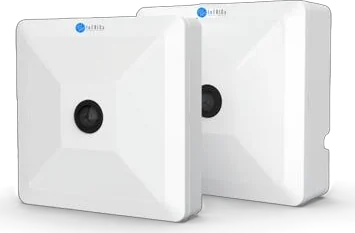
Lecture halls and libraries
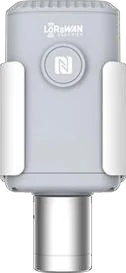
Classrooms and study spaces
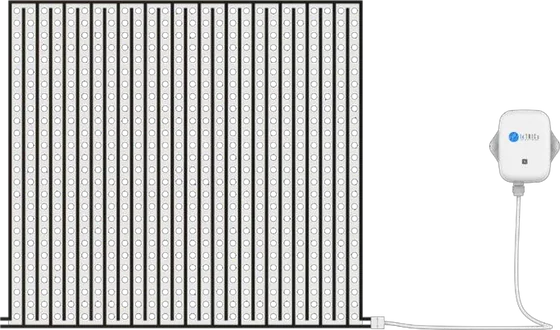
AC drains and condensate trays
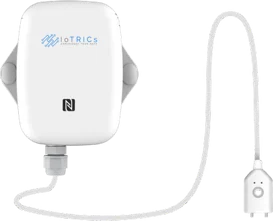
Pipe runs and archive floors
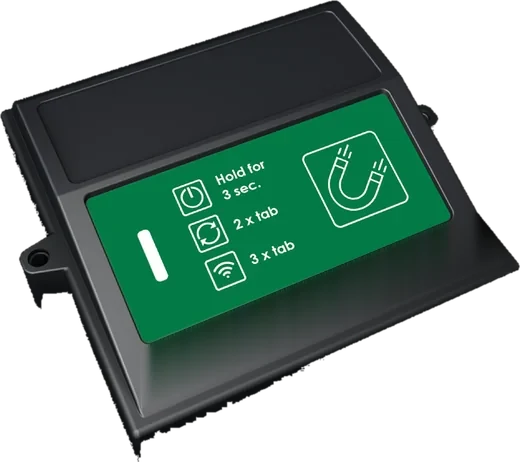
Kitchens and stores

Staff attendance and assets
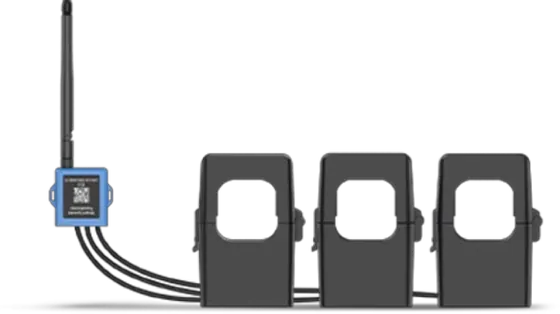
Main boards, chillers and compressors
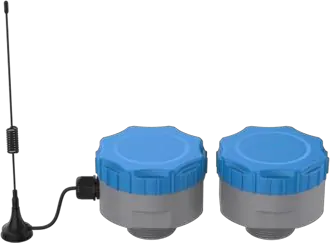
Water and fuel tanks
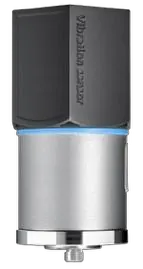
Pumps, fans and AHUs
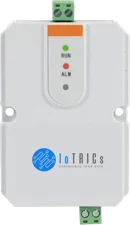
Mains, generators and alarms
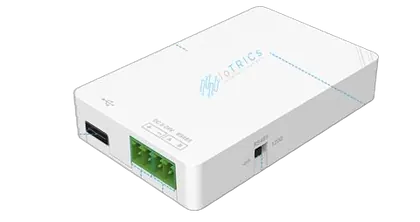
Reads your BMS and meters
Campus shuttles
The 3C data experience
Temperature, humidity, current, leaks, occupancy, CO₂, levels and presence, from every lab, hall, plant room and residence.
One LoRaWAN gateway per building, battery sensors, no cabling and no drilling. Cloud or on-premise.
One dashboard with role-based views: Estates sees facilities, HR sees attendance, Sustainability sees energy. Alerts escalate on a defined L1–L4 path.
Out-of-hours waste, in dirhams
The out-of-hours baseline is the largest recoverable waste on most campuses. Enter your own figures to see what it costs.
Your figures, your calculation. It shows potential, not a promised saving. CO₂ at 0.4 kg per kWh, for illustration.
Out-of-hours waste you could recover, per year
0AED
Measured, verified and reported on the same platform · 0 AED a month
What the data delivers
01Every lab
Freezers, cold rooms and fume hoods watched around the clock, with rate-of-rise alerts and a history for accreditation.
For labs · research
02Every chiller
Compressor current read with supply temperature separates a real cooling failure from a faulty sensor.
For Estates · MEP
03Every building
kWh per building and per load, with the out-of-hours baseline that is the largest recoverable waste.
For Estates · finance
Out-of-hours baseline down 21% since setback started.
04Every room
Real occupancy against the timetable feeds scheduling, HVAC setback and new-build decisions.
For planning · timetabling
| Room | Booked | Used |
|---|---|---|
| Hall A | 38 h | 31 h |
| Hall B | 36 h | 14 h |
| Lab 2.14 | 30 h | 22 h |
| Seminar 3 | 24 h | 6 h |
05Every alert
Leaks, water loss, plant and generator alerts reach the right person on an L1–L4 path.
For Estates · security
06Every quarter
Measured energy, water and air, converted to tCO₂e and exported for disclosure and audit.
For Sustainability · leadership
Widget readings are illustrative.
Try it. This is IoTRICs on a campus the moment a lab freezer’s compressor trips: the alarm already names the cause. Open it and act.
SAT, 21 NOV 2026 · 02:57 GST
3 items need you. Everything else is normal.
SAT 21 NOV · MAIN CAMPUS · SCIENCE BLOCK · BIOLOGY LAB · FREEZER F-12
Warming 8 °C an hour. The door is closed and the compressor draws 0 A: cooling has failed.
−77.8°C
Setpoint −80 °C · door closed
Read together: cooling has failed, not a door left open. The backup freezer has space.
IOTRICS
This preview covers one use case. Our team can walk you through the complete IoTRICs dashboard, set up for your own site.
Interactive preview with illustrative data. Tap the red alert, dispatch the engineer, and watch IoTRICs close it.
Every building, lab, hall and residence on one IoTRICs dashboard.
The right person hears first, by app, SMS or call, day and night.
Readings from different systems combined into one alarm with a likely cause.
Connect any sensor or controller brand, with no vendor lock-in.
ESG, accreditation and audit reports, exported in a click.
Your data anytime, anywhere, for every team.
Delivery model
Solution-as-a-Service (SolaaS) turns technology from a heavy capital purchase into a predictable, managed operating expense.
Capital expenditure becomes predictable operating expense.
We handle deployment, calibration checks, configuration and firmware updates.
From one building to every campus.
Always on the latest version, with new features deployed automatically.
Your data anytime, anywhere, on web and mobile.
Why Najhum





No. Sensors are battery-powered and wireless, with one LoRaWAN gateway per building. There is no cabling and no drilling, and installation is scheduled around teaching.
Yes. Existing BMS points join over BACnet/IP or MQTT. ERP, HR and timetabling connect over REST API, so attendance and space data flow where they are needed.
You do, if you want to. Timetable-driven lighting and HVAC rules can sit with the university via API, or with Najhum. Wall switches always stay live.
Presence is recorded by building and zone, not by desk, and tags are geofenced to campus: they are not tracked off site. HR receives daily attendance, and Estates gets a live muster list.
No. They give supplementary early indication and notification only. Certified fire detection and suppression stay with the university’s approved fire systems contractor.
As Solution-as-a-Service (SolaaS): hardware, platform, connectivity, installation and support in one subscription with minimal CAPEX. Or as Platform-as-a-Service (PaaS), where the university procures the hardware.
A 45-minute walkthrough with Estates, IT and HR, a survey of one building at no cost, then a defined pilot.