

A connected factory can produce thousands of readings while leaving its operators with the same unanswered questions. Which asset needs attention? Is the process behaving normally? Who should investigate an exception?
A useful industrial IoT programme starts by choosing a decision to improve. Sensors, connectivity, and dashboards then become parts of a defined operating process. The following approach is a planning framework for that work, rather than a promise that collecting more data will automatically improve performance.
Start with one operational question
Choose a situation the team already recognises: an unexpected motor stoppage, an uncertain tank level, or a temperature excursion that takes too long to investigate. Describe what happens today, who responds, and which information is missing when the issue occurs.
Write a short objective such as: “When the storage level changes outside its expected operating pattern, the shift supervisor should receive enough context to decide whether an inspection is needed.” This is more useful than a general goal to make the plant smart.
Connect the signal to the asset
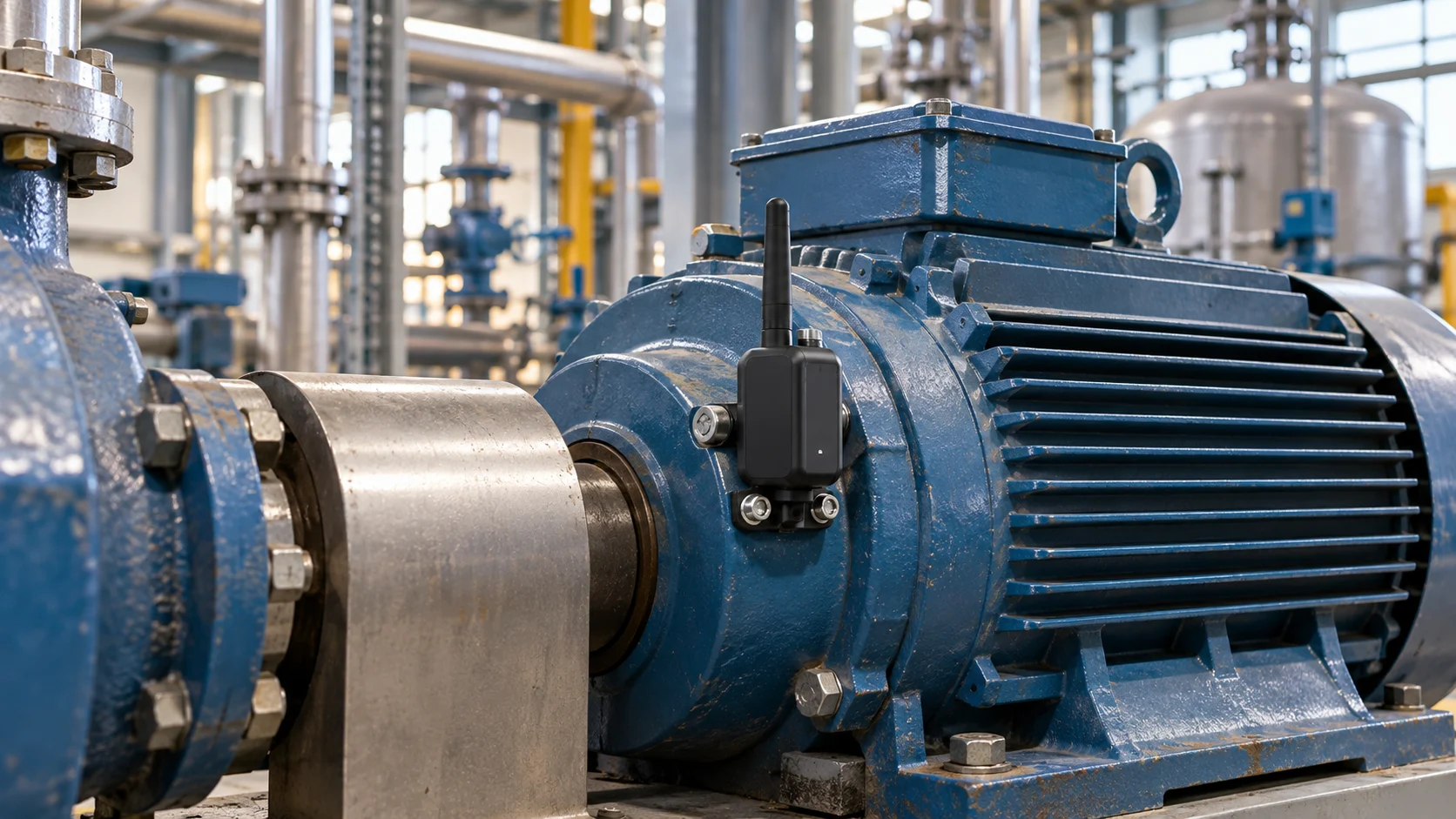
For the pilot, create an asset register that links each reading to a specific machine, location, unit of measurement, and responsible team. Record where the sensor is installed and what its reading actually represents. A surface temperature, for example, should not be labelled as a direct measurement of internal process temperature.
Ask the installation team to document normal operating conditions and any limitations discovered during commissioning. This gives operators a way to distinguish a genuine process change from a change in measurement conditions.
Make data quality visible
A dashboard should help people recognise missing, stale, or implausible readings. Decide how the pilot will show the last successful update and how it will distinguish equipment that is offline from equipment that is operating normally.
- Use consistent timestamps and engineering units.
- Record changes to sensor placement and configuration.
- Compare selected readings with an appropriate reference during commissioning.
- Define who investigates communication gaps and unreliable measurements.

Plan cybersecurity before expanding
NIST’s IoT device baseline identifies capabilities including device identification, configuration, data protection, access control, software updates, and cybersecurity-state awareness. Use these as prompts when evaluating devices and supplier support. The baseline is a starting point for requirements, not proof that a particular deployment is secure.
For the pilot, document who can access device settings, how credentials are managed, and who owns software maintenance. Agree on these responsibilities before adding more sites or assets.
Turn an alert into an assigned action
Every important alert needs an owner, a first investigation step, and a closure record. Include the affected asset, the relevant trend, and the operating context. During the pilot, review alerts with the people who receive them and remove notifications that do not lead to a useful decision.
Evaluate the project using measures the team can check: time taken to investigate an event, completeness of the asset records, or the proportion of alerts that resulted in a documented response. Expand when the workflow is useful and repeatable.
Explore IoTRICs for Najhum’s industrial monitoring approach, or discuss a focused pilot with our team.
Further reading
NISTIR 8259A: IoT Device Cybersecurity Capability Core Baseline.